
Wynonna Judd is widely recognized as one of the most influential voices in American country music. As half of the iconic duo The Judds, she helped shape a generation of country and Americana sounds. Yet behind her professional success lies a personal history marked by hardship, identity struggles, and profound loss—much of which Wynonna herself has discussed openly in interviews, memoirs, and documentaries.
Early Life in Appalachia: Poverty and Perseverance
Wynonna Judd was born Christina Claire Ciminella in 1964. She spent part of her childhood in Kentucky and Tennessee, including rural areas of Appalachia. In multiple interviews, her mother, Naomi Judd, spoke candidly about raising her daughters as a single parent while struggling financially.
- The family experienced periods of economic hardship
- Naomi worked various jobs to support her children
- Music became an essential outlet and eventual source of stability
Wynonna has acknowledged that these early experiences shaped her emotional life and relationship with food, self-image, and security—topics she later addressed publicly as an adult.
Music as a Path Forward
Naomi Judd taught Wynonna to sing harmony at a young age. Their shared love of traditional country, bluegrass, and gospel music eventually led to professional performances.
By the early 1980s:
- The Judds signed with RCA Records
- They released multiple chart-topping albums
- They earned Grammy Awards and industry recognition
Their success story—from modest beginnings to national acclaim—is well documented by the Country Music Association and major music publications.
However, Wynonna has said that fame did not resolve unresolved emotional struggles rooted in childhood instability.
Discovering the Truth About Her Father
One of the most significant and verifiable turning points in Wynonna Judd’s life occurred in her early 30s, when she learned that the man she believed to be her biological father was not.
This information became public through:
- Naomi Judd’s authorized memoirs
- Wynonna’s own interviews and statements
The revelation was deeply distressing for Wynonna, who has described it as destabilizing her sense of identity. Mental health professionals note that such late discoveries can significantly affect emotional well-being, particularly when identity has already been shaped under public scrutiny.
Importantly, this event is confirmed, not speculative, and has been discussed by Wynonna herself.

Personal Relationships and Public Scrutiny
Wynonna Judd’s personal life has often attracted media attention, including her marriages and divorces. Public court records and interviews confirm that she experienced:
- High-profile relationship stress
- Legal and financial disputes
- Emotional strain while balancing motherhood and touring
Wynonna has been open about seeking therapy and professional support during these periods. Her willingness to discuss mental health challenges has been noted by advocacy groups as helping reduce stigma in the country music community.

Health, Anxiety, and Performing Through Challenges
In recent years, Wynonna Judd has spoken candidly about:
- Anxiety and panic symptoms
- Physical health challenges
- Performing while managing emotional stress
These disclosures have been made during televised interviews and live performances, where she emphasized the importance of honesty with audiences rather than presenting a false image of perfection.
Her approach reflects a broader shift in the entertainment industry toward transparency around mental health.
The Loss of Naomi Judd
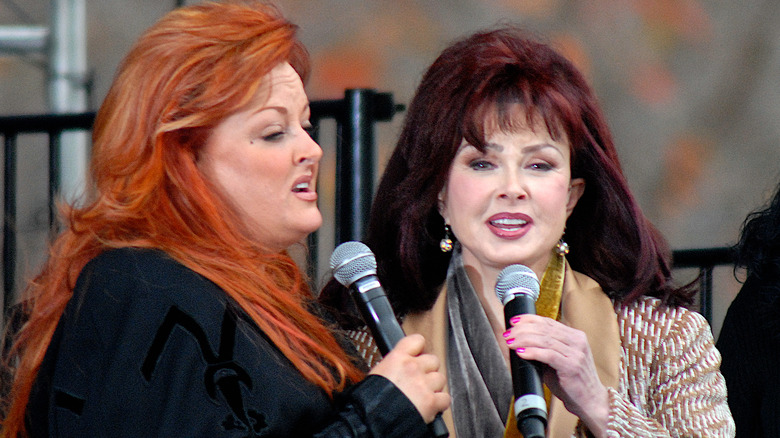
In 2022, Naomi Judd died at age 76. The family publicly confirmed the cause of death, and Wynonna later addressed the loss in carefully worded statements and interviews.
Verified facts include:
- Naomi’s death occurred shortly before The Judds’ induction into the Country Music Hall of Fame
- Wynonna honored her mother during the induction ceremony
- She later resumed touring, stating that music remained central to her healing process
Mental health organizations praised the family’s openness for encouraging conversations about mental health support and prevention, while emphasizing responsible and sensitive reporting.
Continuing to Perform and Protecting Her Family
Following her mother’s death, Wynonna Judd chose to continue performing, including tribute tours dedicated to Naomi’s legacy. She has said that singing helps her process grief and maintain connection with audiences who have followed her career for decades.
At the same time, she has become increasingly protective of her children’s privacy, stating in interviews that she wants to break cycles of public exposure and emotional instability.
A Career Defined by Honesty, Not Perfection
Wynonna Judd’s story, as supported by reputable sources, is not one of effortless triumph but of persistence. She has never claimed to have all the answers, nor has she presented her life as neatly resolved.
What remains consistent across decades of verified interviews is her commitment to:
- Personal accountability
- Emotional growth
- Honoring her mother’s musical legacy
- Using her platform responsibly
Her career demonstrates that resilience does not require erasing hardship—it requires acknowledging it while continuing forward.
Conclusion
Wynonna Judd’s life reflects a documented journey through poverty, fame, identity disruption, personal loss, and artistic endurance. By relying on confirmed records rather than speculation, her story remains powerful without distortion.
She stands today not only as a celebrated artist, but as a public figure who has helped normalize conversations about grief, mental health, and self-acceptance—proving that longevity in music, and in life, often comes from honesty rather than perfection.