
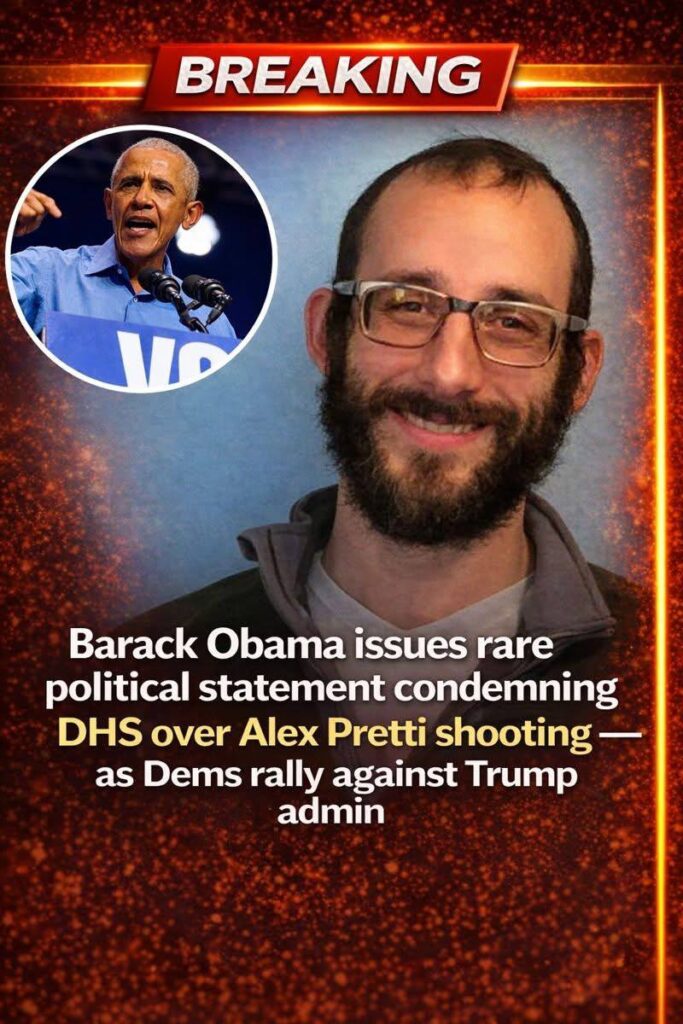
In Minneapolis on Saturday, January 24, 2026, 37‑year‑old Alex Jeffrey Pretti — a registered ICU nurse, U.S. citizen, and neighbor to many in his community.
Was shot and killed by a federal Border Patrol agent during a large federal immigration enforcement operation. The confrontation occurred amid protests and ongoing tension between federal agents and local residents, which had already intensified following a separate fatal shooting earlier in January.
The tragedy has sparked deep divisions in public opinion, sharp criticisms from neighbors and family, and conflicting narratives from government officials — making the Pretti case one of the most widely discussed law‑enforcement incidents in recent U.S. memory.
A Neighbor’s Perspective: “He Was a Wonderful Person”
Residents who knew Pretti personally have described him as warm, helpful, and community‑oriented. A neighbor who lived in the apartment below him said Pretti was a “wonderful person” with “a great heart.”
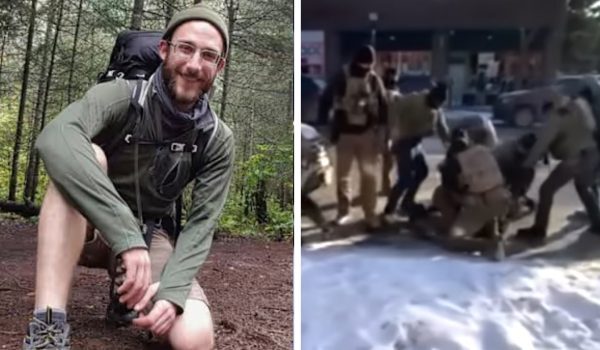
She noted that he had lived in the building for about three years and was someone neighbors could count on if there was suspicious activity or if someone needed help — the kind of person people trusted in their everyday lives.
Sue Gitar, the neighbor, said she never saw Pretti behave aggressively and was surprised by portrayals of him approaching law enforcement with a weapon.
“I never thought of him as a person who carried a gun,” she told reporters, reflecting the disbelief many locals felt once the news broke.
Who Was Alex Pretti? A Snapshot of His Life
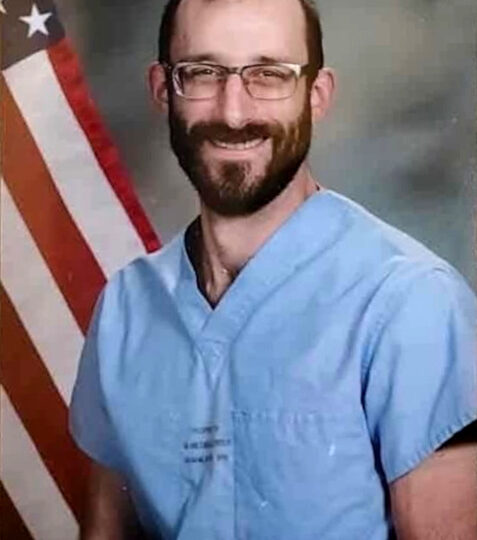
Pretti was more than a neighbor; he was an intensive care nurse at the Veterans Affairs Health Care System in Minneapolis, where colleagues described him as compassionate, professional, and devoted to helping others.
Friends and co‑workers said he rarely discussed politics and was known for caring deeply about people’s well‑being — traits that defined both his personal and professional life.
He was originally born in Illinois, held a lawful concealed carry permit, and had no criminal record prior to his death. Outside of work, Pretti was active in social causes and had participated in peaceful protests addressing immigration enforcement in the city, expressing solidarity with affected communities.
The Confrontation on January 24, 2026
Federal Narrative
According to the Department of Homeland Security (DHS) and Border Patrol leadership, federal agents were conducting an immigration enforcement operation in Minneapolis when they encountered Pretti at approximately 9:05 a.m. CST near 26th Street and Nicollet Avenue in the Whittier neighborhood.
DHS repeatedly stated that Pretti had approached officers with a firearm and “violently resisted efforts to disarm him,” prompting the agent to fire “defensive shots.”
Border Patrol Commander Gregory Bovino and Homeland Security Secretary Kristi Noem publicly defended the actions of the agents, asserting that they followed training and protocol in a dangerous situation. The administration further suggested Pretti might have posed a credible threat to the safety of the officers.
Eyewitness Accounts and Video Evidence
However, multiple videos and eyewitness testimonies tell a different story that directly contradicts the government’s initial claims:
Bystander footage shows Pretti holding a cell phone, not a weapon, in the moments before contact with federal agents.
Video analyzed by major news outlets shows him recording or observing officers, standing near others, and not brandishing a firearm prior to being engaged by agents.
In scenes captured before the shooting, Pretti appears to intervene — not with aggression but to help another individual who was shoved by an agent.
Other video analysis suggests an agent removed Pretti’s holstered weapon during the struggle, and the gun was only seen after he was already taken to the ground.
Multiple shots — at least ten over a span of a few seconds — were fired while Pretti was on the ground surrounded by agents, according to visuals verified by news organizations.
Local law enforcement, including Minneapolis Police Chief Brian O’Hara, has stated Pretti appeared to be documenting or observing the situation, not threatening anyone.
O’Hara noted Pretti’s lawful status, emphasizing that he was exercising First Amendment rights to film law enforcement and Second Amendment rights as a certified gun owner.
Family Reaction and Outrage
Pretti’s family responded with anguish and frustration after seeing administration statements that suggested he was violent or threatening.
In a written statement released after the shooting, they called the federal narrative “sickening lies” and “reprehensible and disgusting,” asserting that video evidence clearly shows he was not holding a firearm when agents tackled him.
His father, Michael Pretti, said his son cared deeply about people and had participated in protests because he was upset about what he saw as unfair immigration enforcement — not because he wished harm on anyone. “He thought it was terrible,” Michael said, referring to actions he witnessed in Minneapolis and across the country.
The family has called for transparency and a thorough, independent investigation into the circumstances of his death, insisting that their son was not a threat when deadly force was used.
Community and Political Response
The Pretti shooting has intensified an already heated debate over federal law enforcement’s presence and tactics:
Local Outcry
Thousands in Minneapolis and the surrounding region protested the killing, demanding federal agents leave the city and calling for accountability. Protesters have carried signs saying “Justice for Alex Pretti” and accused agents of acting with excessive force.
Businesses near the shooting site also expressed shock and grief, with some owners saying residents felt like a neighbor had been unjustly killed.
State Officials
Minnesota Governor Tim Walz condemned the shooting, questioned the federal portrayal of the incident, and called for federal agents to be withdrawn from Minneapolis, saying their presence fuels fear and tension.
Local and state authorities have sought access to evidence and investigations, pushing back on federal control of the scene and how evidence is being preserved.
Federal and Political Reactions
The controversy has drawn attention across the political spectrum. Some Republican lawmakers have called for joint investigations, while others have defended the agents’ actions. Meanwhile, civil rights groups and health advocates have criticized the operation’s impact on public safety and civil liberties.
Ongoing Investigations and Legal Issues
A federal judge has issued a temporary restraining order preventing DHS from “destroying or altering evidence” related to the shooting, highlighting concerns about transparency and accountability.
State officials have also sought access to body‑camera footage and other materials, which federal authorities have resisted sharing fully.
As of now, investigations are ongoing, and no charges have been publicly announced. The handling of evidence, the involvement of local authorities, and the conflicting narratives all remain key points of contention as scrutiny continues.
Legacy and Public Debate
The killing of Alex Pretti is being widely discussed within a larger national context of immigration enforcement practices, the proper use of force by federal agents, and the rights of individuals to document law enforcement activities in public spaces.
For many in Minneapolis and beyond, his death represents deeper concerns about unchecked federal authority and the risks of aggressive enforcement tactics in domestic settings.
Others argue federal agents were justified under their rules of engagement. Regardless of perspective, the incident has sparked intense debate about civil liberties, police accountability, and how law enforcement should interact with the communities they serve.
His neighbors remember him not as a threat, but as a devoted caregiver, a caring neighbor, and a person with a big heart. As one resident put it, “He could always be relied upon to help someone in need” — a reminder of the life behind the headlines and the human impact of this tragedy.
Conclusion
The fatal shooting of Alex Pretti by federal agents in Minneapolis continues to raise questions and emotions across the country.
With conflicting narratives from government agencies, video evidence that challenges official statements, and a grieving family calling for truth and justice, the case has become emblematic of the challenges facing public trust, law enforcement transparency, and civil rights in the United States.
His story — remembered by neighbors as that of a kind and compassionate man — underscores the human cost behind geopolitical debates.
As investigations proceed and communities seek answers, Pretti’s legacy will likely remain at the center of discussions about accountability, public safety, and the relationship between citizens and the federal government.