
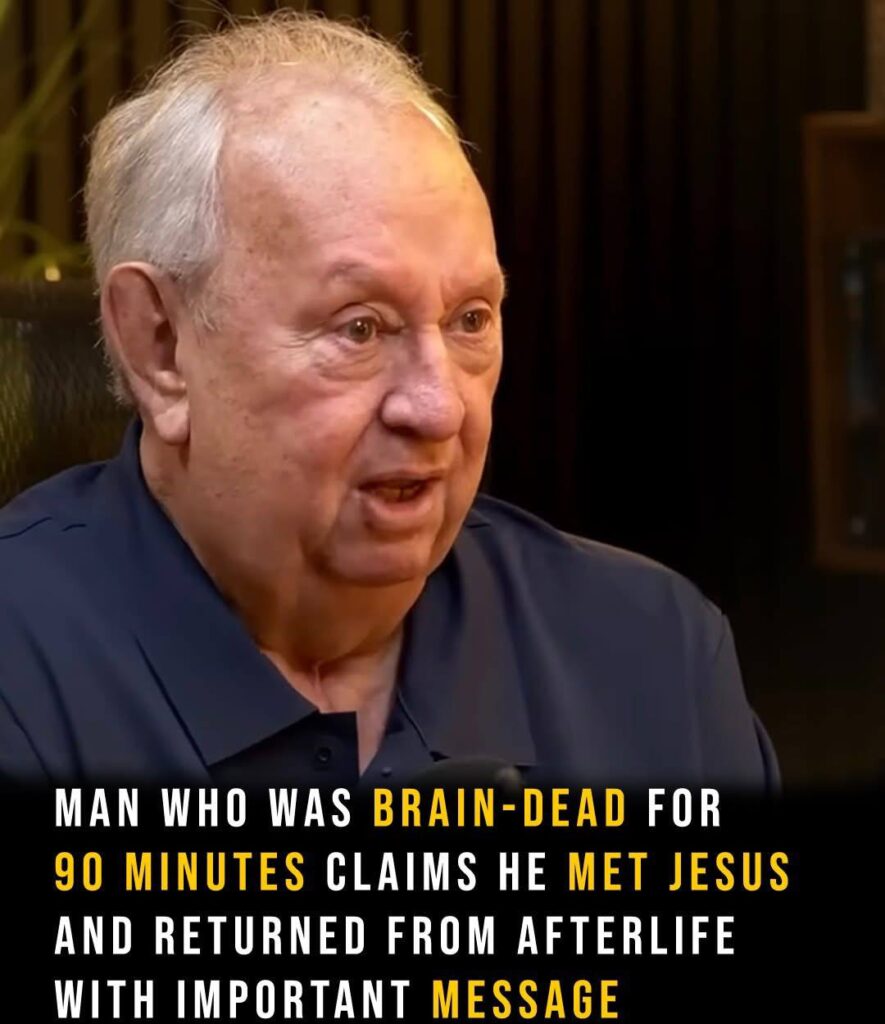
One of the greatest mysteries humanity has ever faced is what happens after death. Across cultures, religions, and philosophical traditions, people have searched for answers to this question for thousands of years.
Some believe death is the absolute end of consciousness, while others are convinced that the soul continues on in another realm.
For many, the truth remains unknowable—something that can only be discovered once life itself comes to an end. However, a small number of people claim to have crossed the boundary between life and death and returned.
Their accounts are often described as near-death experiences (NDEs), and while these stories are deeply personal and subjective, they continue to captivate and challenge the way people think about mortality, consciousness, and spirituality.
One such account comes from Robert Marshall, who says that following a severe medical crisis in 2024, he was clinically dead for three days.
During that time, he claims he experienced heaven and met Jesus. His story, which he has shared publicly through interviews and his book, has sparked both curiosity and debate.
A Medical Emergency That Changed Everything
In May 2024, Robert Marshall sought medical help after noticing a serious health issue. According to his account, he went to an outpatient emergency room because of a very large, swollen mass on his neck.
During that time, he claims he experienced heaven and met Jesus. His story, which he has shared publicly through interviews and his book, has sparked both curiosity and debate.
A Medical Emergency That Changed Everything
In May 2024, Robert Marshall sought medical help after noticing a serious health issue. According to his account, he went to an outpatient emergency room because of a very large, swollen mass on his neck.
What initially appeared to be a concerning but manageable medical issue quickly escalated into a life-threatening emergency. As his condition worsened, doctors discovered that his body was experiencing extreme distress.
According to details later shared in his book 44 Hours in Heaven, Robert suffered from acute hypoxic respiratory failure, meaning his body was not receiving enough oxygen.
He also experienced cardiac arrest and severe internal bleeding that caused blood to fill his lungs. Medical staff reportedly initiated emergency protocols multiple times as his vital signs deteriorated.
“I Was Dead for Three Days”
Robert states that during his hospitalization, he went into “code blue” three separate times—a term used in hospitals to indicate a patient is experiencing cardiac or respiratory arrest and requires immediate resuscitation.
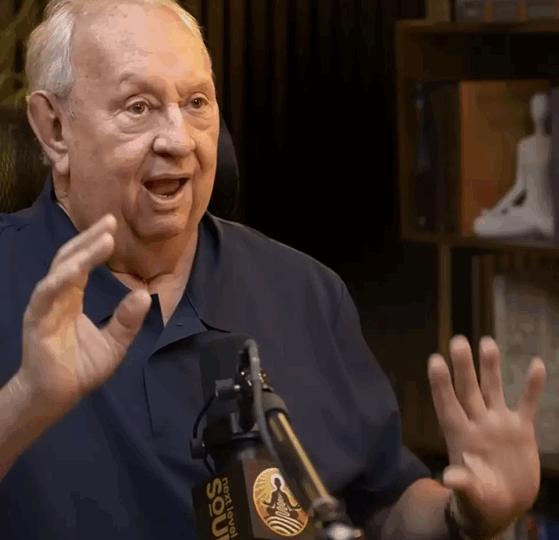
In interviews, Robert has emphasized that he does not consider his experience a typical near-death experience. Instead, he claims that he was actually dead.
“I wasn’t near death,” he said. “I was dead for three days.”
According to his account, his brain suffered extensive damage due to prolonged oxygen deprivation. Later, he was told that he had essentially been drowning in his own blood as his lungs filled, making breathing impossible.
From a medical standpoint, prolonged hypoxia can lead to irreversible brain injury or death. This makes Robert’s recovery—and his personal interpretation of it—especially significant to him and those who hear his story.
The Experience He Describes as Heaven
During the period when doctors were fighting to save his life, Robert says his consciousness was no longer in his physical body. Instead, he claims he found himself in what he describes as heaven.
He has shared that the environment he experienced was unlike anything on Earth. According to Robert, heaven was filled with towering oak trees, vibrant flowers, and colors that appeared far more vivid than anything he had ever seen.
“The colors were alive,” he explained. “More vibrant than anything we can experience here.”
Beyond the visuals, Robert described an overwhelming emotional and spiritual sensation. He says he felt surrounded by peace, love, and calm—feelings so powerful that they eclipsed any pain or fear he had known in life.
“There was no anxiety, no suffering,” he said. “Just love and peace.”
Meeting Jesus: A Profound Encounter
At the center of Robert’s account is his claim that he encountered Jesus. He has spoken openly about the emotional impact of this moment, describing it as both humbling and awe-inspiring.
Despite feeling an immense sense of peace, Robert says his thoughts immediately turned to his wife. He recalls being deeply aware of her grief and emotional pain while he was unconscious.
“I felt every bit of her pain,” he said.
Rather than wanting to remain in heaven, Robert claims he asked Jesus to send him back—not for his own sake, but so that he could comfort his wife.
This request, he says, became a turning point in the experience.
“When You First Came Before Me…”
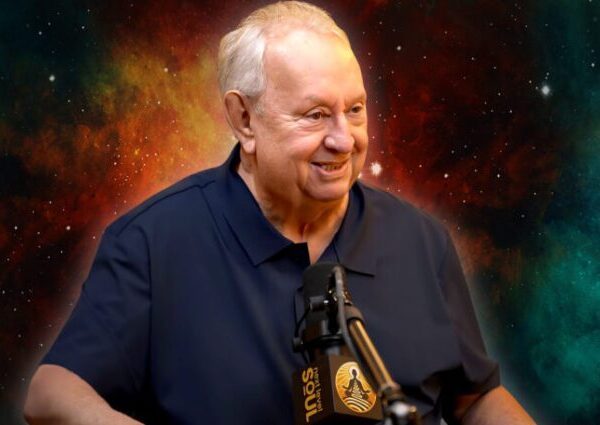
Robert later appeared as a guest on the Next Level Soul Podcast, hosted by Alex Ferrari, where he recounted this moment in greater detail. According to Robert, Jesus responded directly to his request.
“When you first came before me, you asked if you could go back,” Jesus allegedly said.
Robert joked during the interview, “I went, ‘Oh, he did hear!’”
Ferrari replied lightheartedly, “I don’t think Jesus is hard of hearing.”
While the exchange had a moment of humor, Robert says the message that followed was serious and profound.
A Stark Statement About His Condition
According to Robert, Jesus then told him something shocking: that his brain had been destroyed.
“He said, ‘Your brain has been destroyed,’” Robert recalled.
From a medical perspective, this statement aligns with what doctors later told him about the severity of his condition. Prolonged lack of oxygen typically results in permanent brain damage or death.
Buy vitamins and supplements
However, Robert claims that Jesus explained there was another option.
“I Will Send You Back—With Conditions”
According to Robert’s account, Jesus told him that he could be sent back to life, but only under specific conditions.
“I could and would send you back,” Jesus allegedly said, “but with caveats.”
Robert claims he was told that his return would involve a miracle so undeniable that it would leave no room for doubt.
“I’ll send you back with a miracle that nobody could ever deny—not the doctors, not the nurses, not scientists,” Jesus allegedly said. “Nobody could ever deny that I am God, that I did this, that heaven is real, and that I am alive.”
Robert says he was also told that he would be given a new brain and that his memory would be fully restored.
“I will give you a new brain,” Jesus reportedly said, “and restore your entire memory.”
Returning to Life
Following this experience, Robert says he regained consciousness. Doctors were reportedly able to revive him, despite the severity of his condition and the odds against his survival.
From Robert’s perspective, his recovery itself is evidence of the miracle he was promised. He has stated that his cognitive abilities, memory, and overall functioning returned in ways that doctors did not expect.

While medical professionals may explain his survival through advanced care and rare recovery outcomes, Robert interprets it as divine intervention.
Sharing His Story With the World
After his recovery, Robert felt compelled to share what he experienced. He documented his journey in his book, 44 Hours in Heaven, and has appeared on podcasts and interviews to discuss his story.
For Robert, the purpose of sharing his experience is not to force belief, but to testify to what he personally encountered.
“This is what happened to me,” he has said. “People can decide for themselves what they believe.”
Understanding Near-Death Experiences
Near-death experiences have been reported across cultures and belief systems. Common elements often include feelings of peace, encounters with beings or deceased loved ones, vivid environments, and a reluctance to return to life.
Scientists and researchers continue to study NDEs, offering explanations ranging from neurological responses to lack of oxygen, to psychological coping mechanisms. However, there is no single explanation that accounts for every reported experience.
Robert’s story fits many of the patterns commonly described in NDE research, though his claim of being dead for several days makes his account particularly striking.
Belief, Skepticism, and Personal Truth
Stories like Robert Marshall’s naturally invite both belief and skepticism. Some view them as powerful spiritual testimonies, while others see them as deeply personal experiences shaped by brain chemistry, trauma, or belief systems.
What remains undeniable is the impact such experiences have on the people who live through them. For Robert, the experience fundamentally changed how he views life, death, and purpose.
His story also raises broader questions about consciousness, the nature of existence, and what—if anything—lies beyond physical death.
Final Thoughts
The mystery of what happens after death continues to fascinate humanity. While science has yet to provide definitive answers, personal accounts like Robert Marshall’s offer insight into how profoundly transformative these experiences can be.
Whether viewed through a spiritual, psychological, or medical lens, his story highlights the deep human need to understand what lies beyond life—and the power of belief in shaping meaning.
As with all such accounts, readers are encouraged to approach the story with curiosity, critical thinking, and respect for personal experience.